
As the sun rises on 2025, the landscape of vaping in South Africa is undergoing remarkable transformation.With an industry that has rapidly evolved, the accompanying regulatory environment is attempting to keep pace, shaping the way consumers and businesses navigate this burgeoning market. From the latest trends in e-liquids to the introduction of age restrictions and safety standards, the regulations governing vape products are becoming increasingly complex.For enthusiasts and entrepreneurs alike, understanding these legal frameworks is not just a matter of compliance—it’s about safeguarding the future of a vibrant community that values innovation, health, and choice. Join us as we delve into the nuances of vape regulations in South Africa, offering insights that will empower both novices and seasoned vapers to traverse the ever-changing terrain of this dynamic industry.
Table of Contents
- Understanding the Evolving Landscape of Vape Legislation in South Africa
- Key Regulatory Changes Impacting Vape Products and Businesses
- Strategies for Compliance: Best Practices for Vape Retailers and Consumers
- Future Trends in Vape Regulation: What Lies Ahead for South Africa
- Q&A
- Insights and Conclusions
Understanding the Evolving Landscape of Vape Legislation in South Africa
As the vaping landscape in South Africa continues to evolve, the regulation of vape products is becoming increasingly complex. understanding the nuances of current legislation is crucial for both consumers and businesses within the industry. In 2025, new measures are anticipated to address concerns related to health, safety, and youth access. Several key areas are under scrutiny, including:
- Advertising Regulations: Stricter controls may limit promotional efforts, ensuring that vape products are marketed responsibly and without appealing to minors.
- Product Standards: Increased emphasis on quality and safety standards could lead to certification requirements for manufacturers, influencing product availability in the market.
- Taxation Policies: Potential tax hikes may impact pricing strategies, shifting the dynamics of both sales and consumer choices.
Additionally, the introduction of nationwide vaping age restrictions could further shape the consumer demographic. Retailers must stay informed about compliance requirements to avoid penalties.To illustrate the growing diversity among vape products, consider the following flavor profile chart, wich shows a variety of popular vape flavors that cater to diffrent tastes:
| Flavor type | Popularity Rating | User Demographic |
|---|---|---|
| Fruits | ★★★★★ | Young Adults |
| Desserts | ★★★★☆ | Middle-aged Users |
| Menthol/Mint | ★★★★☆ | All Ages |
| Candy/Sweets | ★★★★★ | Teens to Young Adults |
Awareness of these legislative changes will equip consumers and retailers alike to make informed decisions, emphasizing the need for responsible vaping practices while fostering a culture of compliance within the industry.
Key Regulatory Changes Impacting Vape Products & Businesses
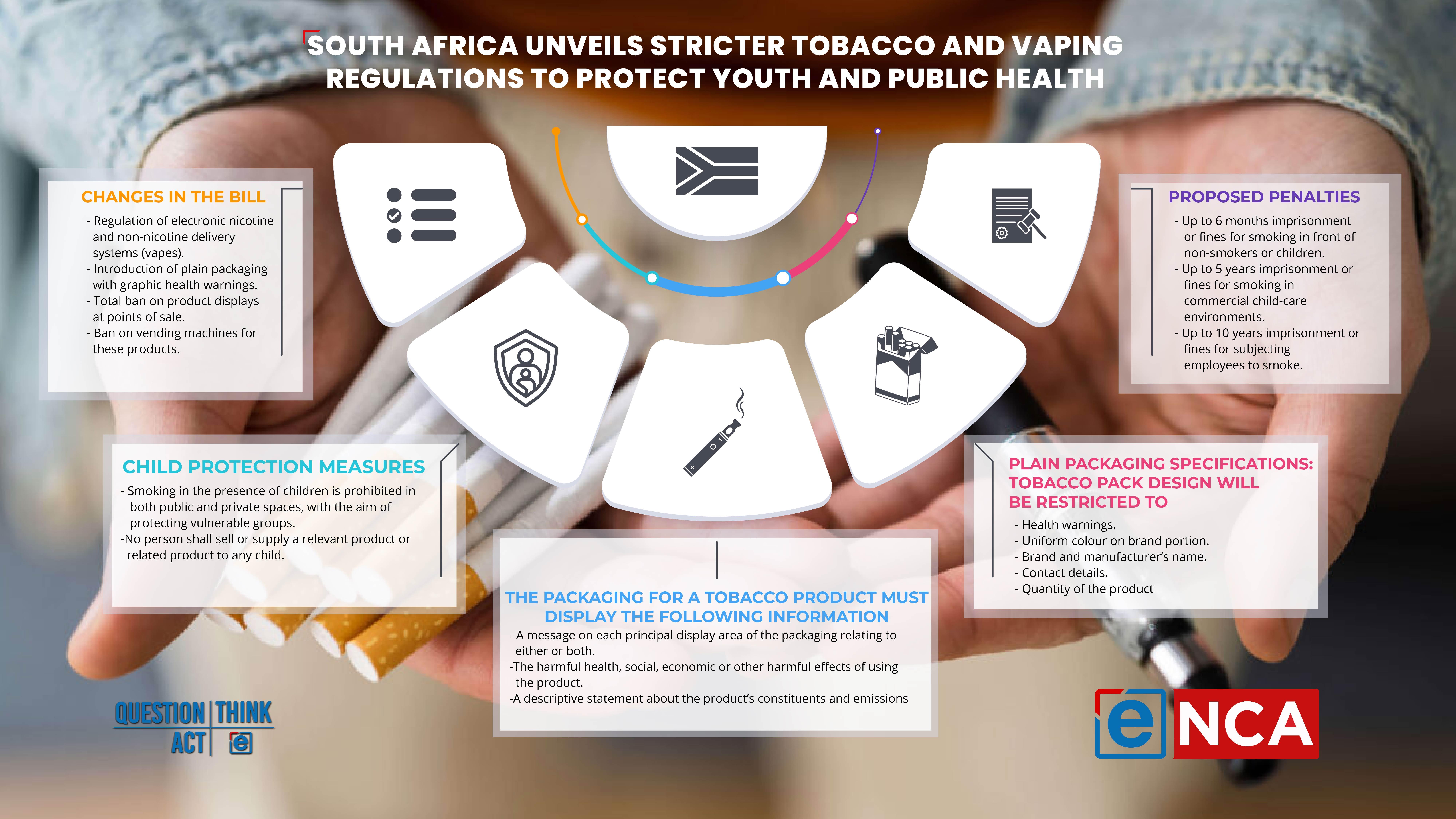
The landscape of vape regulation in South Africa is rapidly evolving,presenting both challenges and opportunities for businesses and consumers alike. As the government intensifies its regulatory framework, key changes have emerged that directly impact the way vape products are marketed, sold, and consumed. One significant amendment includes the introduction of stricter age verification processes, aimed at preventing underage access to vape products. Businesses must now implement robust systems to ensure compliance, potentially incorporating technology such as biometric verification or advanced ID scanning techniques. Additionally, the labeling and advertising of vape products are under scrutiny, with regulations mandating clearer health warnings and forbidding misleading claims that may entice new users.
Another crucial change is the proposed taxation on vape products, which could alter price structures across the market. This taxation aims not only to generate revenue but also to address public health concerns by discouraging excessive vape use. Companies may find themselves needing to innovate in product offerings and pricing strategies to remain competitive. For example,businesses might explore offering larger,multipack options that provide better value,or focus on premium lines that justify a higher price point through unique flavor profiles and quality ingredients. keeping abreast of these regulations is essential for staying compliant and ensuring the sustainability of vape enterprises in this dynamic market.
Strategies for Compliance: Best Practices for Vape Retailers & Consumers
In the evolving landscape of South African vape regulations,both retailers and consumers must adopt proactive strategies to ensure compliance and promote responsible vaping practices. For retailers, maintaining a thorough understanding of the regulatory framework is crucial. This includes familiarizing oneself with the legal age for purchasing vape products, adhering to packaging and labeling requirements, and implementing age verification methods at point-of-sale locations. Additionally, train staff on compliance protocols and the health implications associated with vaping to foster a informed environment. To enhance transparency, consider displaying clear notices about the risks of vaping and the legal age restrictions within the retail space.
For consumers, adopting a conscientious approach to vaping can significantly contribute to compliance with regulations. Key best practices include:
- Choosing reputable brands that comply with local regulations regarding ingredient safety and product claims.
- Staying informed about any changes to vaping laws that may affect product availability or usage in public spaces.
- Engaging with community forums or online resources to share insights and experiences regarding safe vaping practices.
- Being cautious about secondhand vapor exposure, especially in enclosed areas, to promote a responsible vaping culture.
By adopting these strategies, both retailers and consumers can navigate the complexities of vape regulations in South Africa while fostering a community focused on health and safety.
Future Trends in Vape Regulation: What Lies Ahead for South Africa
As South Africa moves forward into 2025, the landscape of vape regulation is set to undergo significant transformations. Authorities are increasingly recognizing the need for a balanced approach that considers both public health concerns and the rights of adult consumers. Potential developments in legislation include:
- Flavor restrictions aimed at preventing youth appeal, potentially limiting the variety of flavors available.
- Age restrictions enforcement, increasing the minimum age for purchasing vape products to ensure they are only accessible to adults.
- labeling and marketing regulations that may demand clearer health warnings and restrict promotional activities to reduce the product’s attractivity to younger demographics.
The introduction of a more comprehensive regulatory framework may also see standardized manufacturing practices emerge, ensuring product safety and quality control. The upcoming regulations might necessitate the establishment of certification processes for vape products, reflecting a growing trend towards accountability in the industry. Additionally, we could expect an increase in taxation on vape products, which could affect pricing and accessibility.A comparison table of the potential regulatory impacts could include:
| Regulatory Aspect | Potential Impact |
|---|---|
| Flavor Restrictions | Reduction in available flavors leading to less consumer choice. |
| Age Restrictions | Improved youth protection, but potential decrease in sales. |
| Manufacturing Standards | Enhanced product safety and consumer trust, possibly elevating production costs. |
| Taxation Policies | Increased prices for consumers; potential decrease in demand. |
Such anticipated changes reflect a growing global awareness of vaping’s complexities, and South africa’s regulatory body is likely to adapt practices that align with international standards while fostering a market that prioritizes safety and informed consumer choices.
Q&A
Q&A: Navigating Vape Regulations in South Africa: 2025 Insights Q1: What are the current regulations governing vaping in South Africa? A1: As of 2025, vaping regulations in South Africa are primarily governed by the Tobacco Products and Electronic Delivery Systems Control Bill. This legislation aims to regulate the manufacture, sale, and marketing of vape products. Key regulations include restrictions on the sale to minors, advertising limitations, and mandatory health warnings. These measures are in place to promote public health while acknowledging the role of vaping as an alternative to conventional smoking.
Q2: Are there specific restrictions on where I can vape? A2: yes,there are designated smoking and vaping areas in many public spaces. The regulations stipulate that vaping is prohibited in enclosed public places, similar to traditional smoking laws. This includes restaurants, workplaces, and public transport. It is always advisable to check for local signage or inquire about the rules wherever you are.
Q3: Can I travel with my vape products within South Africa? A3: Traveling with vape products within south Africa is permissible, but certain guidelines should be followed.Ensure yoru products are stored securely and avoid using them in restricted areas. If you’re flying, check with your airline regarding their specific policies on carrying vape devices and e-liquids, as they may have restrictions.
Q4: What are the age restrictions for purchasing vape products? A4: As per the current regulations, you must be at least 18 years old to purchase vape products in South Africa. Retailers are required to verify the age of customers to ensure compliance with this law, which aims to minimize access to nicotine products among minors.
Q5: How are vape products taxed in South Africa? A5: Vape products are subject to excise taxes, which have been introduced to align them more closely with tobacco products.The tax rates vary based on the nicotine content of the product. This taxation not only serves as a revenue source for the government but also helps deter excessive consumption of nicotine-based products.
Q6: are there health concerns associated with vaping that I should be aware of? A6: While vaping is generally considered less harmful than smoking traditional cigarettes, it is not without health risks.Research is ongoing, and some studies indicate potential respiratory issues and cardiovascular effects linked to certain vape ingredients. It’s crucial to stay informed and consider these factors when choosing to vape, especially with concerns about long-term health effects.
Q7: How can I stay updated on changes to vaping regulations? A7: Staying informed about vaping regulations can be achieved by regularly checking updates from the south African Department of Health and other government agencies. Joining online forums and local vaping communities can also provide insight into the latest developments. additionally, subscribing to news outlets that cover public health and lifestyle topics can definitely help keep you informed.
Q8: what are the implications of stricter vaping regulations on the vape culture in South Africa? A8: Stricter regulations may lead to changes in how vape culture is expressed and practiced in South Africa. It could result in reduced visibility in public spaces and limitations on marketing, potentially influencing consumer perceptions and habits. However, many within the vaping community advocate for the benefits of vaping as harm reduction, which could foster a more responsible and health-conscious culture in response to the regulations.
Q9: Are there resources available for vapers looking for guidance or support? A9: Absolutely! Various online platforms provide valuable resources, including forums, blogs, and websites dedicated to vaping education and community support. Additionally, organizations focused on tobacco harm reduction may offer guidance for those looking to transition away from smoking or seeking to understand more about responsible vaping practices.
With the ever-evolving landscape of vape regulations in South Africa, understanding these aspects is crucial for current and prospective vapers. Staying well-informed provides the best strategy for navigating this complex and dynamic environment.
Insights and Conclusions
As we draw the curtain on our exploration of vape regulations in South Africa for 2025, it’s clear that navigating this evolving landscape requires both awareness and adaptability.From understanding compliance measures to recognizing the importance of responsible usage, the journey through the vape realm is as intricate as it is indeed rewarding. With regulations continuing to evolve, staying informed and mindful is paramount for both enthusiasts and newcomers alike.With the right knowledge in your toolkit, you can enjoy the world of vaping responsibly and safely. We encourage you to dive deeper into this vibrant community and discover a wide array of products tailored to your preferences. For more insights, resources, and an extensive selection of vaping products, visit advapes.co.za. Your next adventure in vaping awaits—be informed, explore, and enjoy!